Beginner-Friendly · East Brunswick, NJ

Learn Pottery at Second Fire Studio

You don't need any experience to learn pottery — just a willingness to get your hands dirty and be patient while the clay teaches you its own rules.

Find Your First Class

Getting Started Is Easier Than You Think

No Experience Necessary

Every class at Second Fire Studio is designed to welcome first-timers — you'll be shown everything from how to sit at the wheel to how to hold the clay.

Learn at Your Own Pace

Try a single class to see if pottery clicks for you, or commit to a full 4-week series to build real skill from the very first session.

Two Paths to Choose From

Learn on the pottery wheel, or start with handbuilding techniques that use nothing but your hands. Both are beginner-friendly, and neither is "better" — just different.

Two Ways to Start Learning Pottery

If you're drawn to the idea of centering clay and watching a form rise up out of a spinning wheel, start with Wheel Throwing Classes for Beginners. It's the classic way most people picture "learning pottery," and it's available as a single try-it-once session or a full 4-week series.

If you'd rather work with clay using only your hands — pinching, rolling, and shaping without a wheel — a Handbuilding Pottery Class is a wonderful (and often less intimidating) place to begin. Many students end up doing both.

Learning pottery alongside your child? Second Fire Studio also runs Kids Pottery Classes after school, covering handbuilding, surface design, glazing, and introductory wheel throwing in a small-group setting.

Beyond the technical skills, most students find that learning pottery is as much about slowing down as it is about making something. It's a tactile, screen-free hour that rewards patience and forgives imperfection — which is exactly why so many people come back week after week.
What Learning Pottery Actually Feels Like

Most first-time students expect pottery to be either effortless or frustrating, and it's usually a little of both. Clay has its own resistance — it doesn't do exactly what you want the first time, or the fifth time — and learning to work with that resistance, rather than fight it, is a big part of what makes the craft satisfying. Fran's background as an educator means classes are paced to meet you where you are, whether that means slowing down to repeat a technique or moving ahead when something clicks.

You don't need to bring anything beyond a willingness to get a little messy. Clay, glazing, firing, and tools are included in every class, so you can show up, learn, and leave with something real without having invested in equipment first.

Frequently Asked Questions

Do I need any experience to learn pottery?

No. Beginner Wheel Throwing, Handbuilding Pinch Pots, and After School Pottery Classes are all built for people who have never touched clay before.

Should I start with the pottery wheel or handbuilding?

Either is a great starting point. Wheel throwing has a steeper initial learning curve but a very classic feel, while handbuilding is more immediately approachable since it requires no equipment beyond your hands. Many students try both.

How long does it take to learn pottery?

You can get a feel for pottery in a single class, but most students notice real progress after a 4-week series or a few return visits. Like any hand skill, it comes with repetition.

What will I make in my first pottery class?

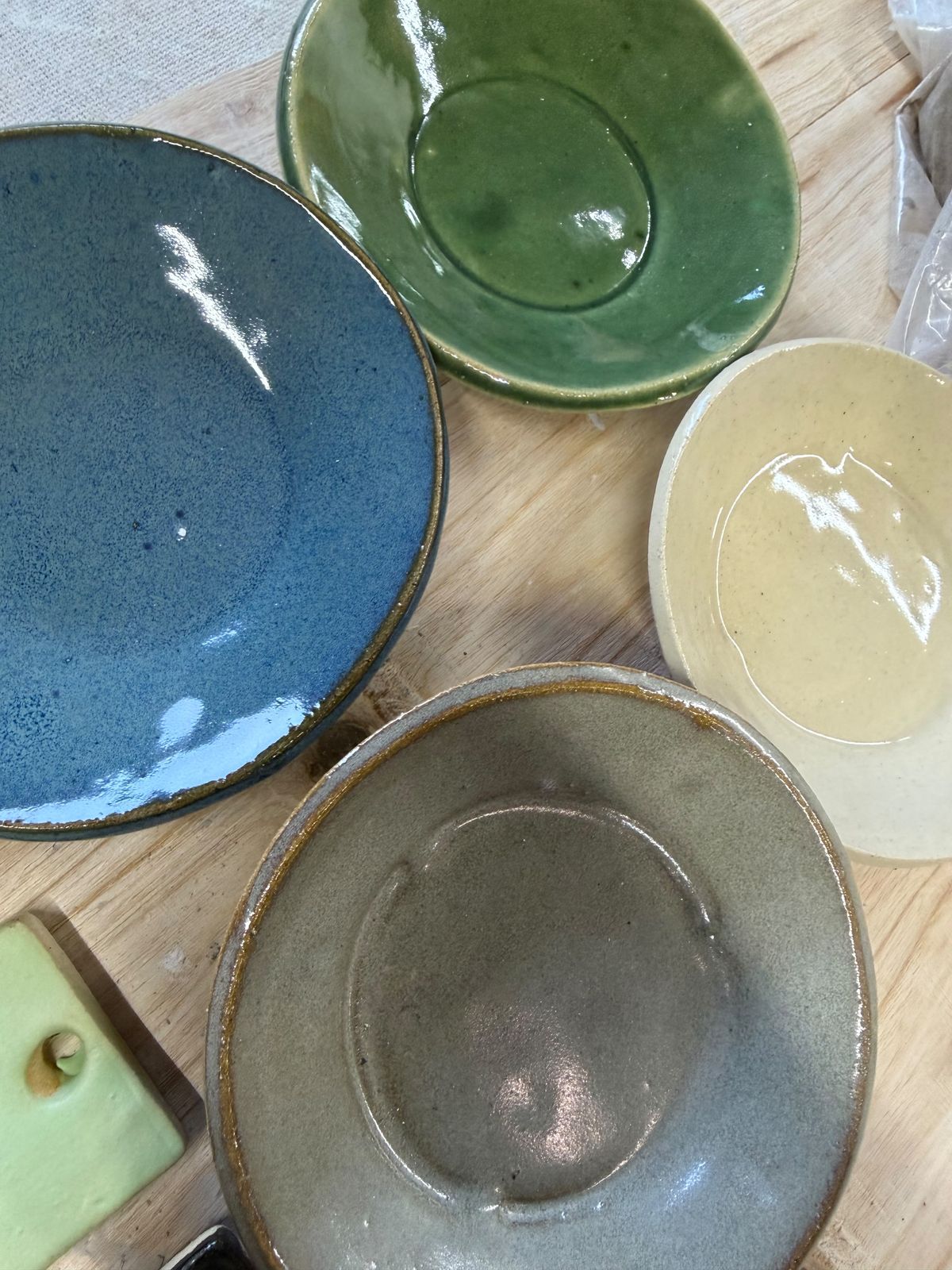
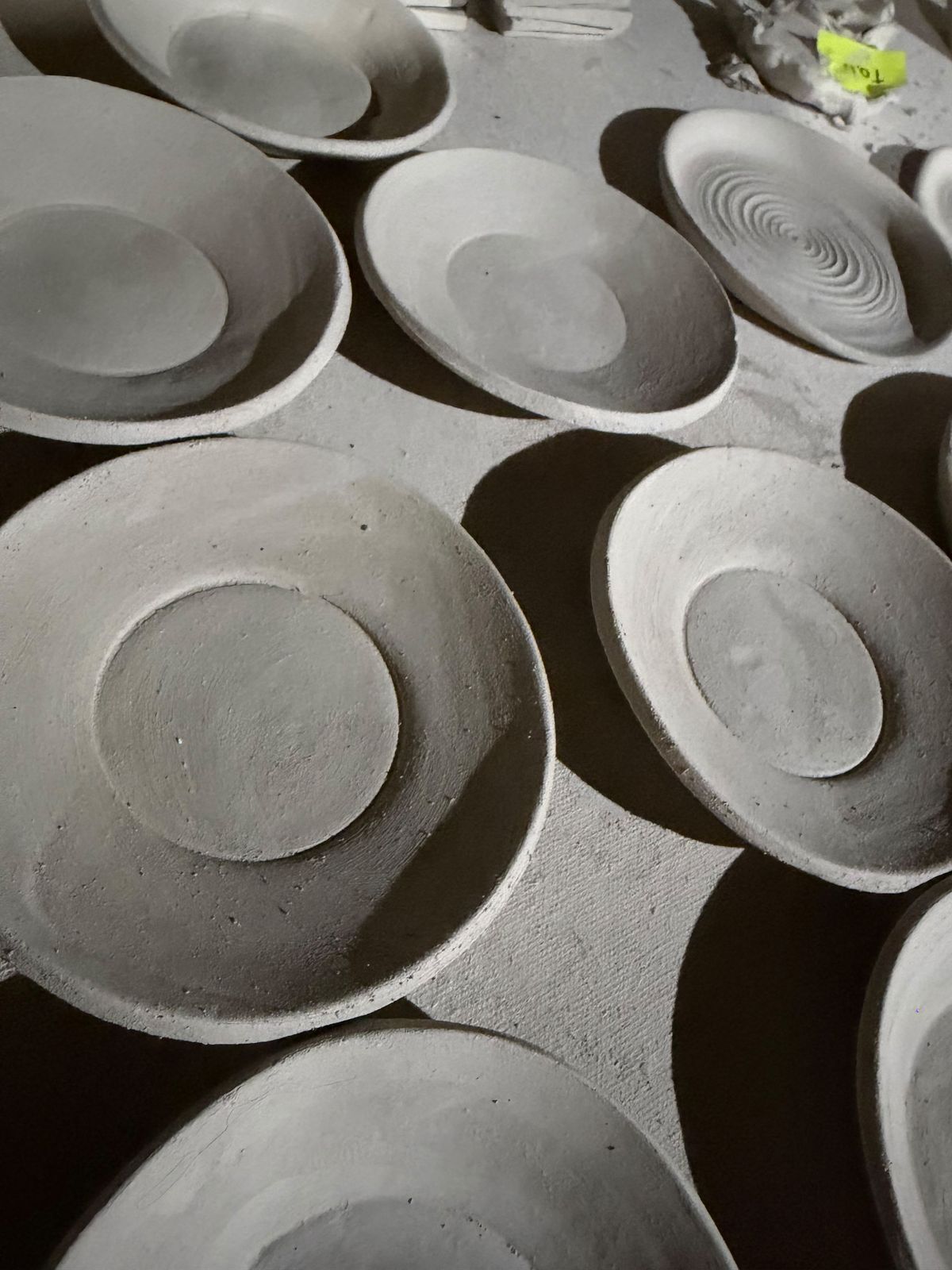
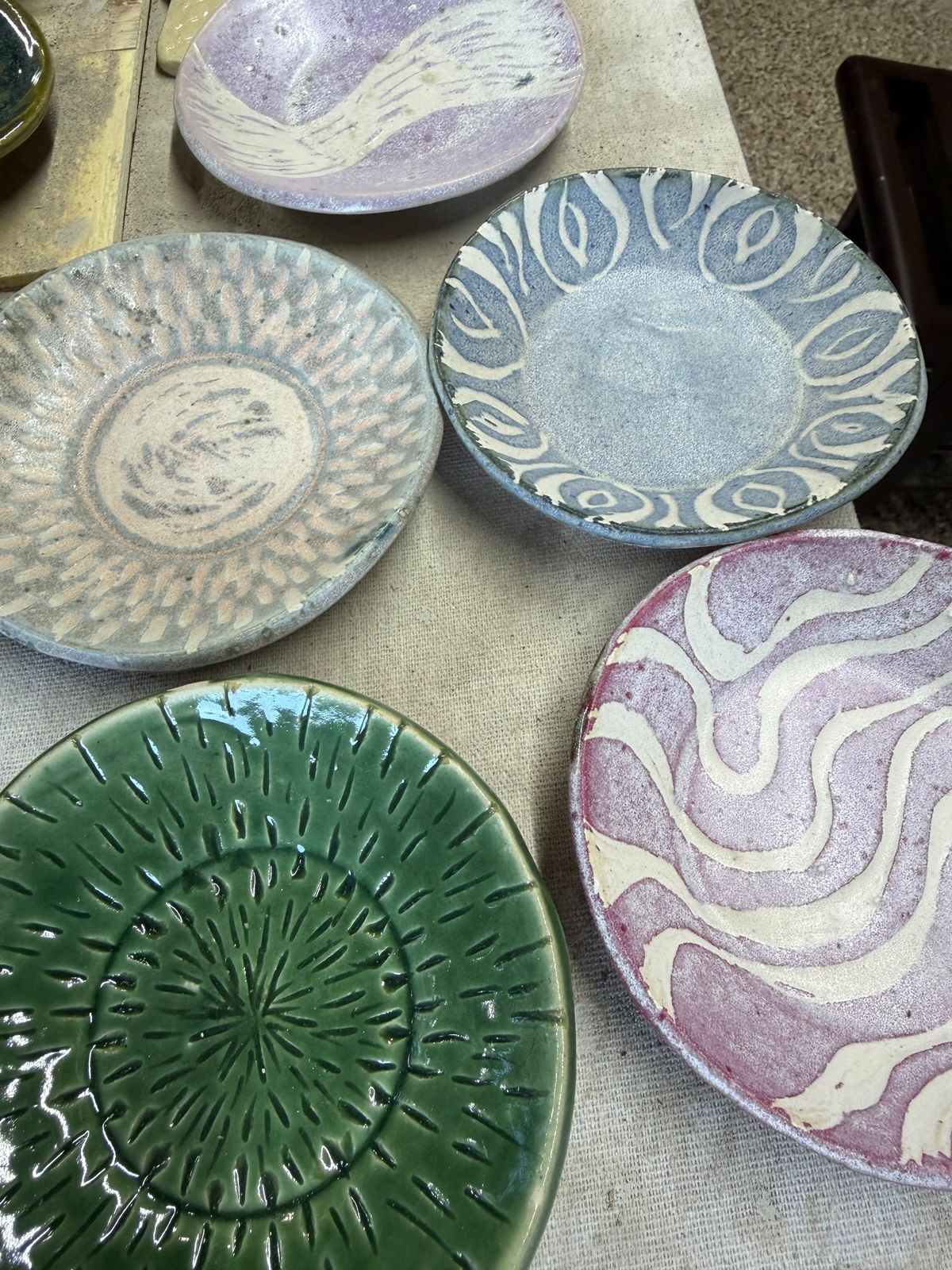
That depends on the class — a beginner wheel session usually produces one or two simple thrown forms, while a handbuilding class focuses on smaller pinch-pot style pieces. Everything is glazed and fired before you take it home.

Is pottery a good hobby for adults with no artistic background?

Yes. Most adult students at Second Fire Studio have no formal art background — pottery is a hands-on skill you build through practice, not something you need to already be "good at" to enjoy.